
A warming tray, electric kettle and other table appliances may run together during a family meal. Before connecting them, check each complete appliance's ratings and the power-supply requirements in its manual, then plan where to use it. A low warming setting or low energy use over one meal does not establish that several appliances can safely share one power strip.
Check Electrical Arrangements as You Prepare the Holiday Table
A September 24 pre-holiday notice on the official Lancang County information website, attributed to the Yunnan Provincial Fire and Rescue Bureau, warns against overloaded sockets and connecting multiple high-power appliances to the same power strip. For a National Day family meal, make these checks before setting the table and preparing dishes, rather than discovering a mismatch between sockets and appliance requirements just before eating.
Distinguish Three Commonly Confused Figures
- Complete-appliance rated power: Check the actual nameplate and manual for the specific model to confirm its ratings. Ask the brand if anything is unclear.
- A particular function's power setting: This describes a setting for a specific function. Do not treat it as the complete appliance's rated input without confirmation, especially on multifunction products.
- Cumulative energy for one meal: Usually expressed in kWh, this describes electricity used over time. It is a different quantity from power, expressed in W.
For example, using little electricity over a period cannot replace checking connection requirements. See the warming tray electricity calculation guide for power-and-time conversions. Multiplying power by time gives a theoretical calculation under its stated assumptions.
Put All Appliances Planned for the Day on One List
Record four items for each appliance: model, complete-appliance rated power, the manual's supply requirements and whether it will run alongside other appliances. List the warming tray, kettle and others individually; low setting or warming alone is not specific enough. Obtain missing information first. Do not estimate from diameter, display readings or advertising images of similar products.
The list is a starting point for organizing information. Adding a few power figures alone cannot establish that a particular socket or household circuit is suitable. Socket, cable and circuit conditions must also match the appliances' requirements. If unsure, ask the brand's after-sales team or a qualified electrician. Do not modify wiring or combine adapters yourself.
Plan Cable Routes Alongside Serving Routes
Do not daisy-chain power strips to reach the table. Do not connect multiple high-power appliances to one strip or treat the number of unused sockets as available capacity. Follow the specific model's manual for requirements such as a dedicated socket.
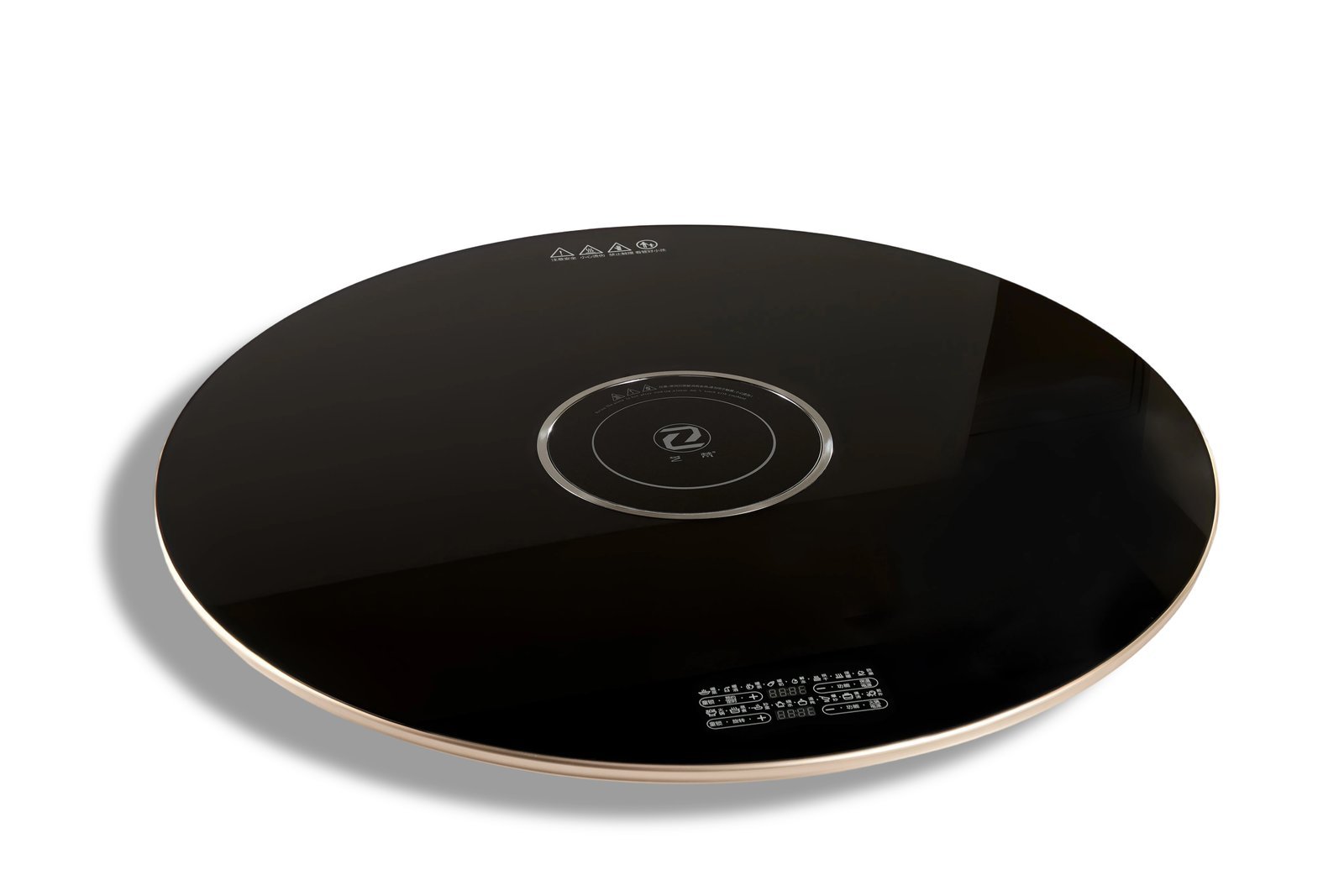
Place the warming tray on a stable, dry surface with clear ventilation. Keep cables away from walkways, heat sources and places where they could be compressed, and keep connections dry. Stop use and contact after-sales service if you notice damaged cables, unusual odors or abnormal operation. See the warming tray safety guide for further requirements.
Before sitting down, agree which appliances will run together and where each will connect. This is easier than adding power strips mid-meal. Always check the actual model in use when sizes and configurations differ.
Sources
Lancang Information Website: Do Not Overlook Fire Safety Before Mid-Autumn and National Day (September 24, 2026; source: Yunnan Provincial Fire and Rescue Bureau); ZVVEN website electricity calculation guide and safety guide. Sources reviewed: September 28, 2026.