
Quick Answer
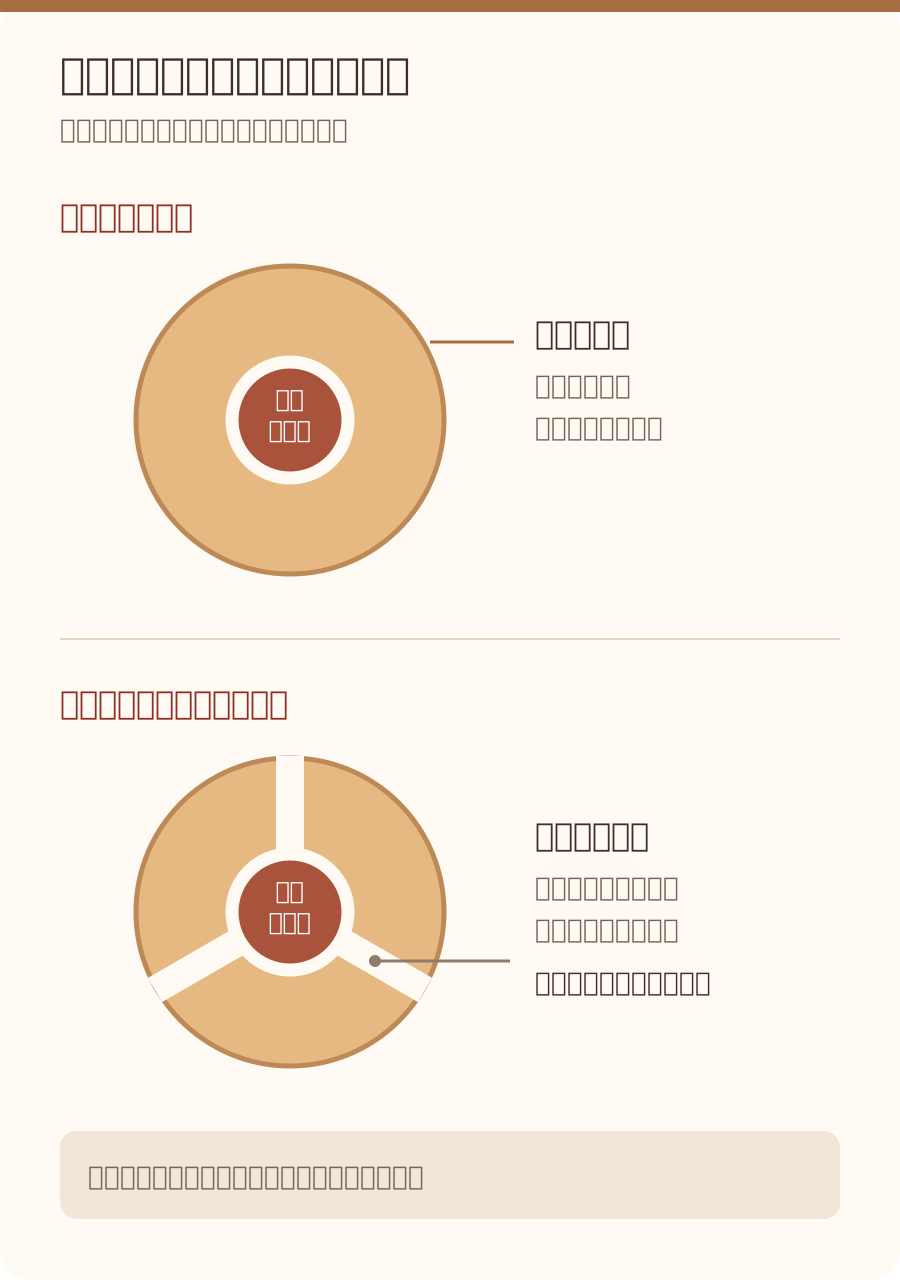
ZVVEN paused development of additional subdivisions within the warming area after weighing usable warming space, actual electricity differences and control-system complexity. We retain a central hot-pot zone and an outer warming area, giving a hot pot and multiple warm dishes their own space. The outer warming area remains continuous, prioritizing dish arrangement and everyday use.
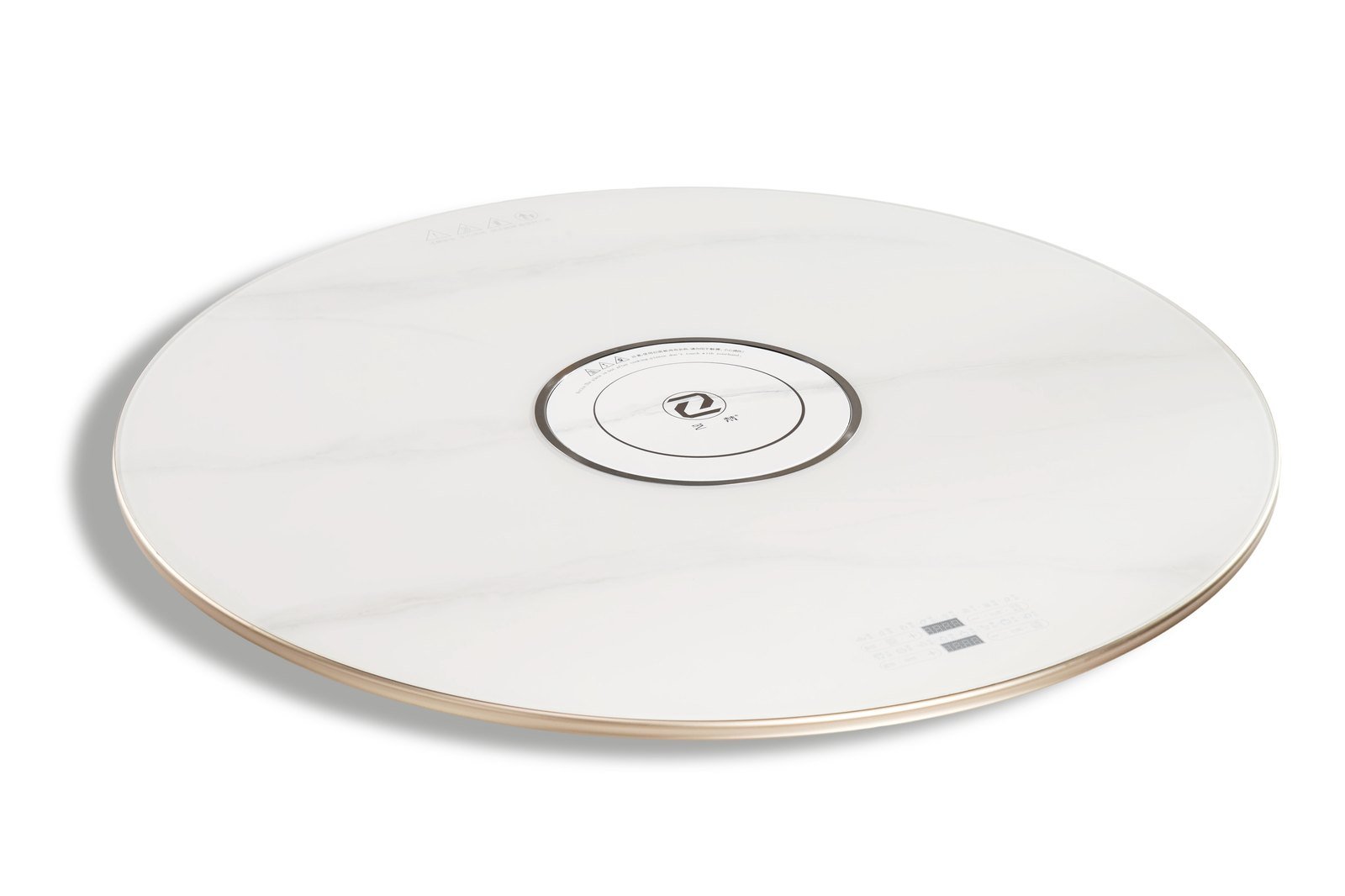
Do more zones necessarily make a product easier to use? For ZVVEN, the question is whether an additional function delivers enough practical benefit. Table space, monthly electricity use and long-term use all need consideration.
1. Prioritizing Usable Space for Warm Dishes
A warming tray has a finite diameter. Its central hot-pot zone, controls and edge structure also occupy space. The outer area that can actually keep several dishes warm deserves careful consideration.
In the additional-zoning design evaluated by ZVVEN, effective thermal isolation between adjacent warming zones required space between them. More isolation space can interrupt the continuous warming layout and require greater attention to plates spanning zone boundaries.
A panel that looks continuous does not necessarily have the same heating arrangement underneath every part. ZVVEN therefore prioritizes a continuous outer warming area to make arranging several dishes together easier. When comparing products, consider the actual heated area and whether dishes sit securely, rather than zone count alone.
2. Assessing Savings Through Cumulative Energy
Turning on only one zone may suggest a large reduction in consumption, but cumulative electricity use also depends on temperature settings, running time, ambient temperature and actual load. The number of zone switches cannot be directly converted into a percentage saving.
Cumulative energy difference over 1 month: about 2kWh
1kWh is 1 unit of electricity; about 2kWh is about 2 units.
In one month-long internal comparison by ZVVEN, running a single warming zone versus all warming zones produced a cumulative energy difference of about 2kWh. In the brand's overall evaluation of that design, this difference did not outweigh the compromises in warming layout and control structure. We therefore did not make additional zones a priority for current product development.
This figure relates to that internal comparison. Actual household use varies by model and conditions. It is the result of this particular design comparison, not a fixed 2kWh saving for every household, nor proof that all zoned products lack energy-saving benefits. For the relationship between power, time and cumulative energy, see the warming tray electricity calculation guide.
3. More Zones Also Mean More Controls and Connections
Adding independently controlled warming zones generally requires additional control, sensing or connection elements. Design considerations extend beyond another button to how these elements work together, how long-term operation is verified and how faults can be inspected and maintained.
More components do not automatically make a product more likely to fail, but they increase the number of elements to assess. ZVVEN prefers to focus development on coordination among its existing warming, hot-pot and rotation structures, reducing unnecessary complexity and supporting dependable, convenient everyday use.
ZVVEN's Choice: Looking After a Table of Food First
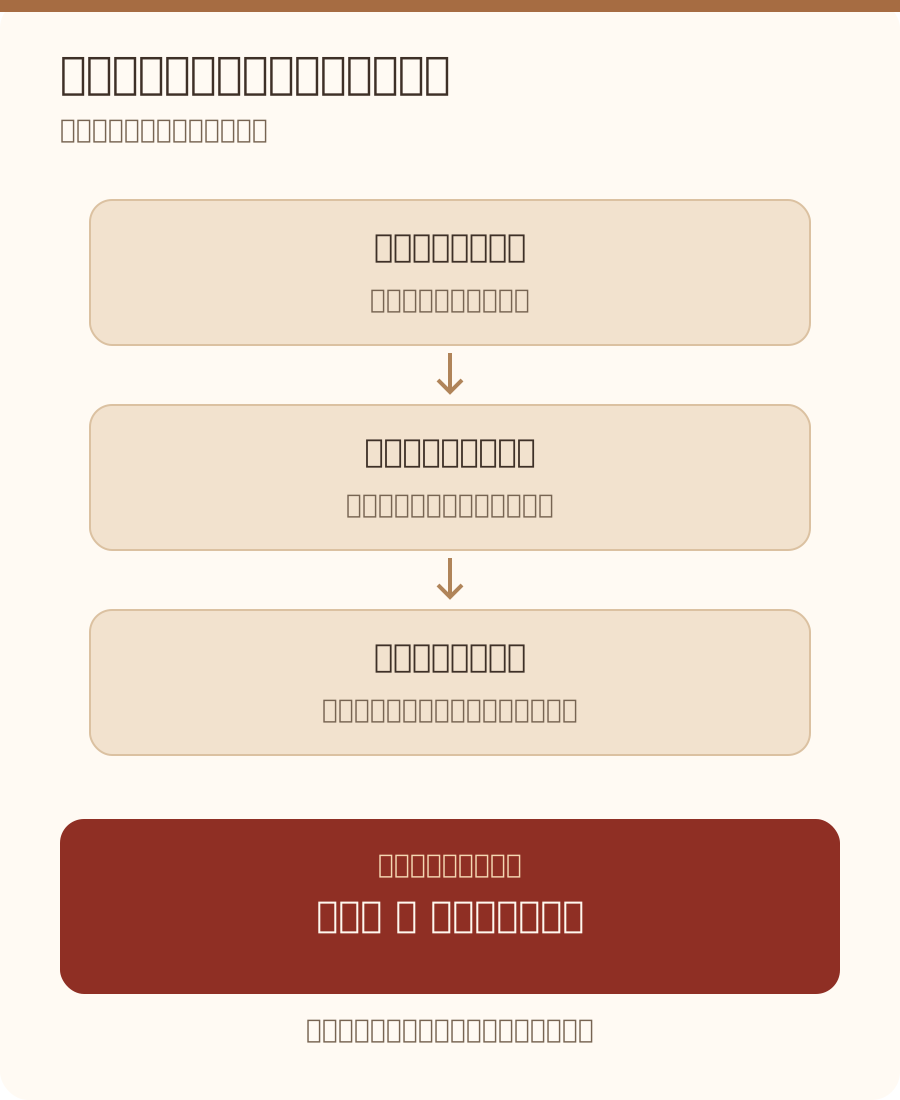
For these reasons, ZVVEN has paused its project to subdivide the warming area further. The current design retains a central hot-pot zone + continuous outer warming area, prioritizing usable warming space, intuitive operation and coordinated structures.
This product decision is based on ZVVEN's assessment of its own design. We will continue to monitor practical needs and reconsider if a future design can balance warming space, energy consumption and reliability. For current series and other features, see ZVVEN core features and the three-series comparison.
Frequently Asked Questions
Does ZVVEN avoid zoning altogether?
No. ZVVEN retains separate functions for the central hot-pot zone and outer warming area. The paused development project would have divided the outer warming area into several independently controlled zones.
Does a continuous warming area mean dishes can cover the entire panel freely?
Arrange dishes within the actual warming area and according to the model's manual. Keep controls, connections and ventilation clear, and leave space for handling dishes and rotation. A continuous layout does not mean every part of the panel has exactly the same temperature.
Do fewer zones always mean lower electricity use or greater durability?
Zone count alone cannot establish either. Energy use depends on the model, temperature, duration and cumulative consumption; durability also depends on overall design, materials and use conditions. ZVVEN chose its current two-function-area layout after evaluating its own design.
Does arranging dishes by zone mean independently controlled temperature zones?
No. Arranging dishes by zone means planning food placement and serving order. Independent temperature zones refer to heating and control structures. These are different concepts. The dish-arrangement guide can help plan main dishes, soups and food unsuitable for heating.
The design decisions and internal comparison results in this article were supplied by ZVVEN, updated on October 1, 2026. Related information: Core features · Dish placement and serving order · User manual.