
Start with the meals you share, then review spending per use
If your ZVVEN warming tray is mainly for weekend meals, consider both the occasions when it fits family life and the meals for which you have actually used it. To review your records, divide confirmed cumulative purchase and out-of-pocket after-sales spending by the recorded meal uses over the same observation period. Record electricity separately. This connects the appliance's place in everyday life with spending you can check.
A Double 11 consumer notice published by the Xinjiang market regulator on 28 October recommends assessing needs rationally and retaining transaction records. For a warming tray, that can start with your own weekend table: how often people eat together, whether several dishes arrive in stages, and whether serving and clearing the table are convenient.
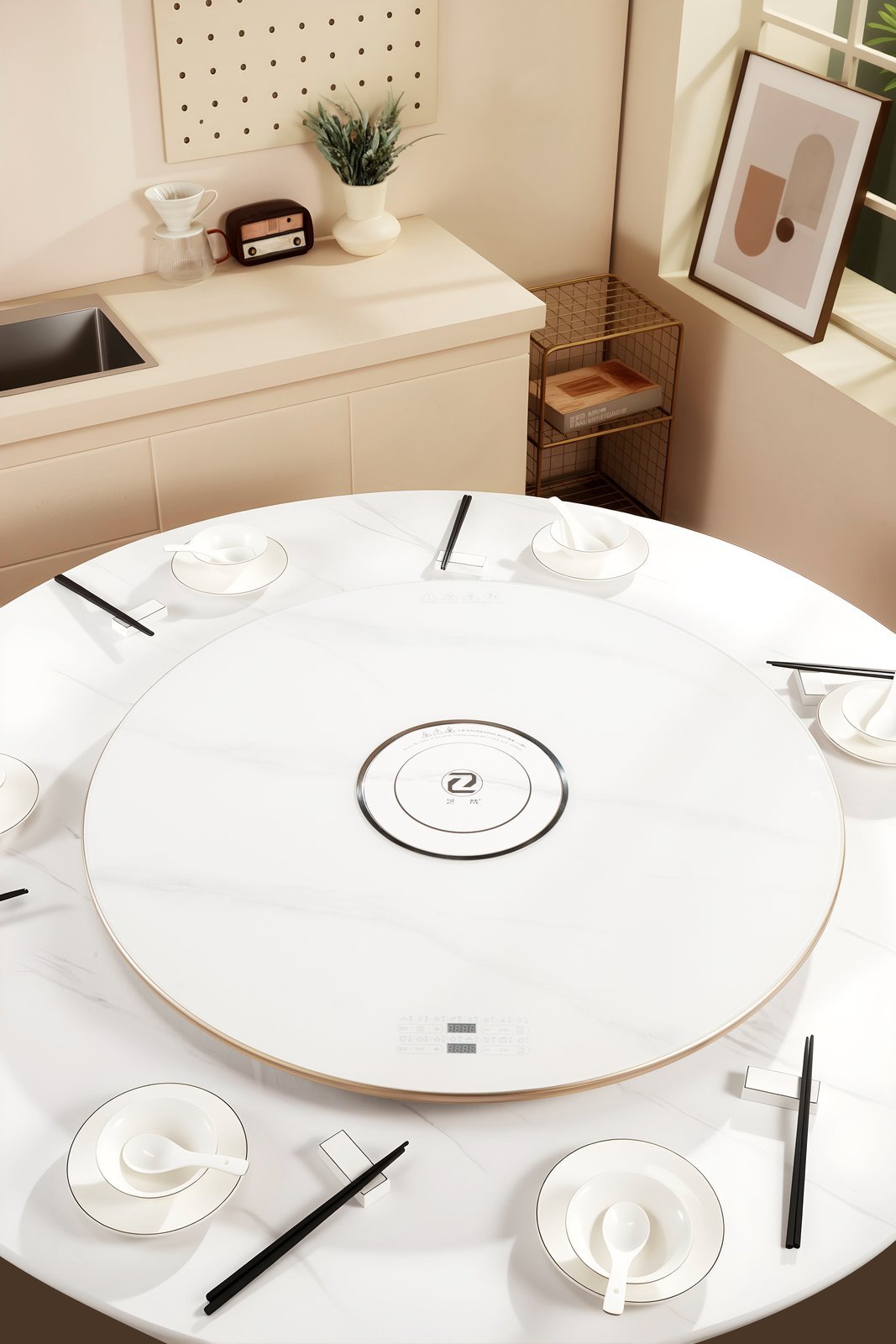
Before buying, picture a particular meal
Look back at a familiar stretch of family life. Is everyone together for weekend lunch? Do friends visit for dinner? Do you also prepare several warm dishes on ordinary weekdays? Note those occasions, then use the ZVVEN product centre to choose a model that fits the table and familiar tableware. Families using long platters or handled pots can first try the layout to check serving routes and access.
Before purchase, these are intended uses. After delivery, keep actual uses in a separate record. If you spend a weekend away and the appliance stays off the table, record life as it happened. A clear picture of suitable occasions helps the purchase fit the family's habits.
After buying, keep one row per meal and one common end date
Keep a continuous record beginning with this purchase, record uses after actual delivery, and summarise everything at the same cut-off date. The actual purchase payment, confirmed out-of-pocket after-sales spending up to that date, and genuine uses over that period should relate to the same appliance and the same record.
You can define one meal as one use and enter the date and purpose, such as warming cooked dishes or sharing a hotpot. Using the central hotpot and outer warming area during the same meal still counts as one meal. Changing a setting or pressing a control again does not add another use. Keep the operating mode in its own field to see which arrangements you use most often.
If a record has gaps, complete the dates, meal entries or spending information first. Keep unconfirmed charges in a separate pending category. If you have not used the appliance yet, retain the purchase and needs records and wait for actual meal uses before calculating an average.
Name the spending measure clearly
| Record | What to enter | Purpose |
|---|---|---|
| Cumulative purchase spending | Actual purchase and payment records, with the model and dates | Include the spending at purchase in the record |
| Out-of-pocket after-sales spending | Repairs outside free warranty coverage and related actual personal expenses, with confirmation records | Add to purchase spending to obtain confirmed total S |
| Actual meal uses | Individual entries under the agreed one-meal, one-use definition, totalling N | Match uses to spending at the same cut-off date |
| Allocation per meal | Calculate S divided by N when the records are complete and N is greater than zero | Review the average allocation of purchase and after-sales spending already incurred |
| Electricity record | Actual electricity consumption and the applicable tariff, recorded separately | Track electricity spending as a separate measure |
For example, call the confirmed spending total S. With 20 recorded uses, the allocation is S divided by 20. If a later complete record reaches 40 uses, divide the spending total confirmed at that later cut-off date by 40. Both spending and use counts are updated from the records, so the result belongs to that particular point in time.
For electricity, record the period, functions used, actual cumulative consumption and applicable tariff separately. Continue with the purchase and after-sales ledger and electricity-use guide for related methods.
Alongside the count, consider everyday convenience
Long-term value also includes whether the family enjoys bringing the appliance into regular use. When choosing ZVVEN, consider table space, serving and everyday clearing together. One-piece metal gears and POM self-lubricating balls are standard across ZVVEN's current series, supporting its focus on substantial rotating-drive materials and a smooth serving experience. A layout suited to the table helps those features serve a real family meal.
Enter after-sales spending according to the service actually provided. ZVVEN's formal ten-year whole-appliance warranty starts on actual receipt, with applications using the original order and the phone number used for that order. For a quality fault under normal use confirmed by inspection to fall within the terms, service consists of repair or replacement of faulty components as appropriate; ZVVEN covers the related repair labour and faulty component costs. See the full terms for the service process, cost scope and exclusions. Retaining the confirmation records keeps personal expenses and items covered by the brand clear.
A useful weekend role can be lasting value
A family that mainly uses a warming tray at weekends can periodically review two questions: which meals actually involved it, and which details made the meal more relaxed. Bring the real use counts and confirmed spending into the same record. That keeps the assessment connected to the family's needs and to the place this ZVVEN appliance has in everyday life.
Sources
Prepared from ZVVEN brand information by Zhongshan Zhifan Technology Co., Ltd. Product and service information consulted on 29 October 2026. This article describes a household use-and-spending record; S and N come from the household's own actual entries.
- Xinjiang market regulator: Double 11 online-shopping consumer notice, published 28 October 2026 at 11:06; used for its recommendations on assessing needs and retaining transaction records.
- ZVVEN product centre: series, model entry points and rotating components.
- ZVVEN ten-year whole-appliance warranty terms: term, application records and service scope.