
A family table lands together: braised pork, steamed fish, hot soup and stir-fried greens all need to stay warm. Sellers often say market “independent zone heating” is better value. Draw the contrast first: a warming tray’s job is keeping food warm. If zoning carves up usable area, adds cool-zone hardware for dishes that only need an insulator, and multiplies control points, that is often a surface gimmick—not better value.
Quick takeaway: do not rank by zone count
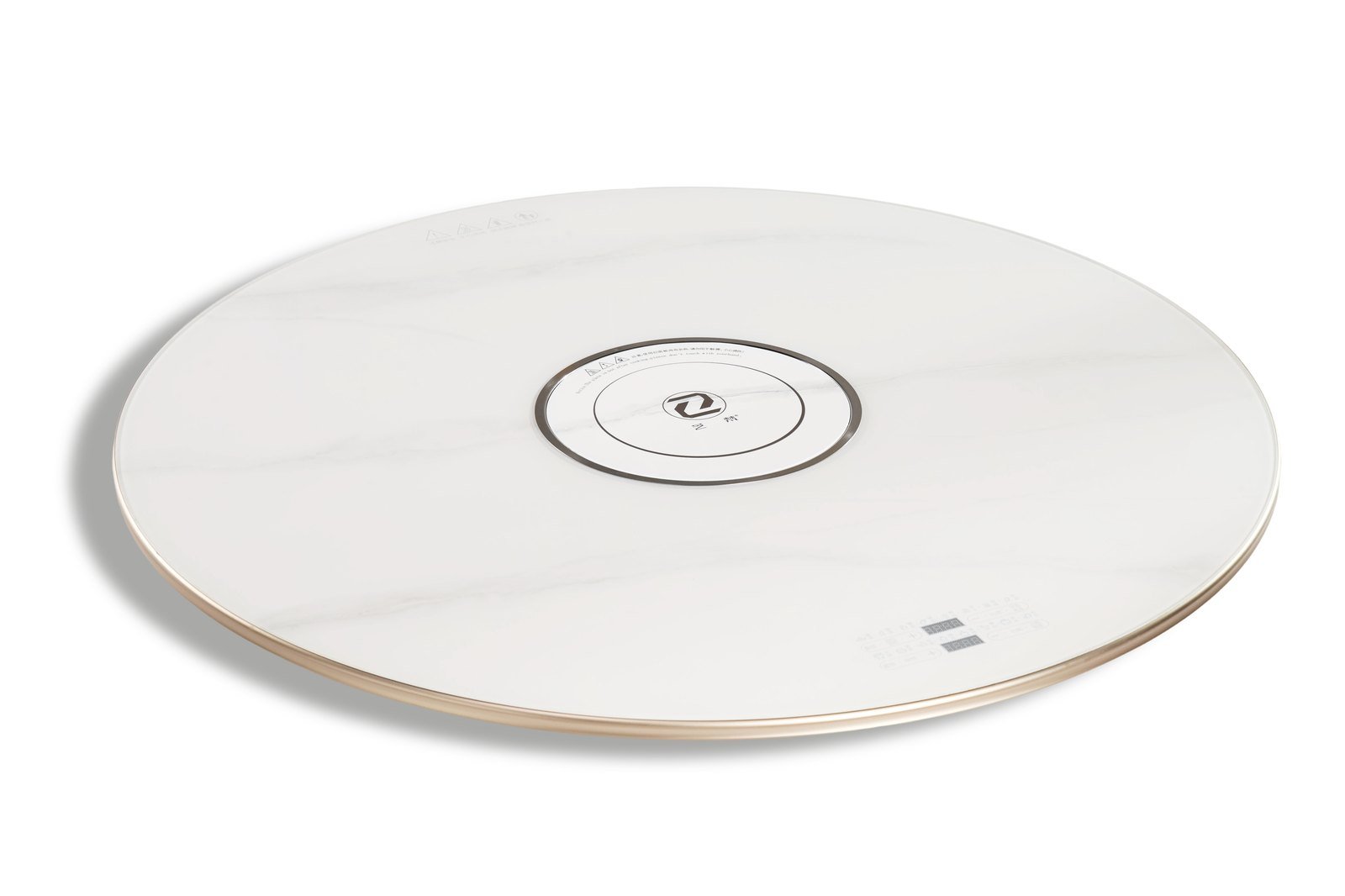
A warming tray’s effective warming area is already limited. Gaps or isolation bands between zones shrink the surface that can actually keep dishes warm. Cold dishes only need an insulating pad; a dedicated cool zone is not a must-have. More zones mean more controls and connection points—and a larger fault surface. A continuous unified warming area is better for keeping several hot dishes warm at once, with a simpler, more durable structure—and a more practical high-value choice. ZVVEN pairs a central hotpot zone with continuous outer warming—the stable, practical layout chosen after years of testing—plus a ten-year whole-unit warranty from the actual receipt date for long-term peace of mind.
Scene 1: same table layout—how gaps eat usable warming area
When several hot dishes share one tray, you need continuous usable warming area. Even a large panel has bounded effective warming; market “independent zone heating” still needs gaps or isolation between zones. More seams mean a smaller, more fragmented area left for hot food. The core job is warming food; more seams weaken that job.
| Same family-table need | Continuous unified warming | Typical “independent zone” pitch |
|---|---|---|
| Several hot dishes at once | One usable outer warming field; freer plating | Gaps/isolation between zones fragment usable area |
| Does the core job hold? | Area is kept for real warming | Seams take space that could warm food |
| What to compare first | Continuous area that can hold hot dishes | Do not count zones alone |
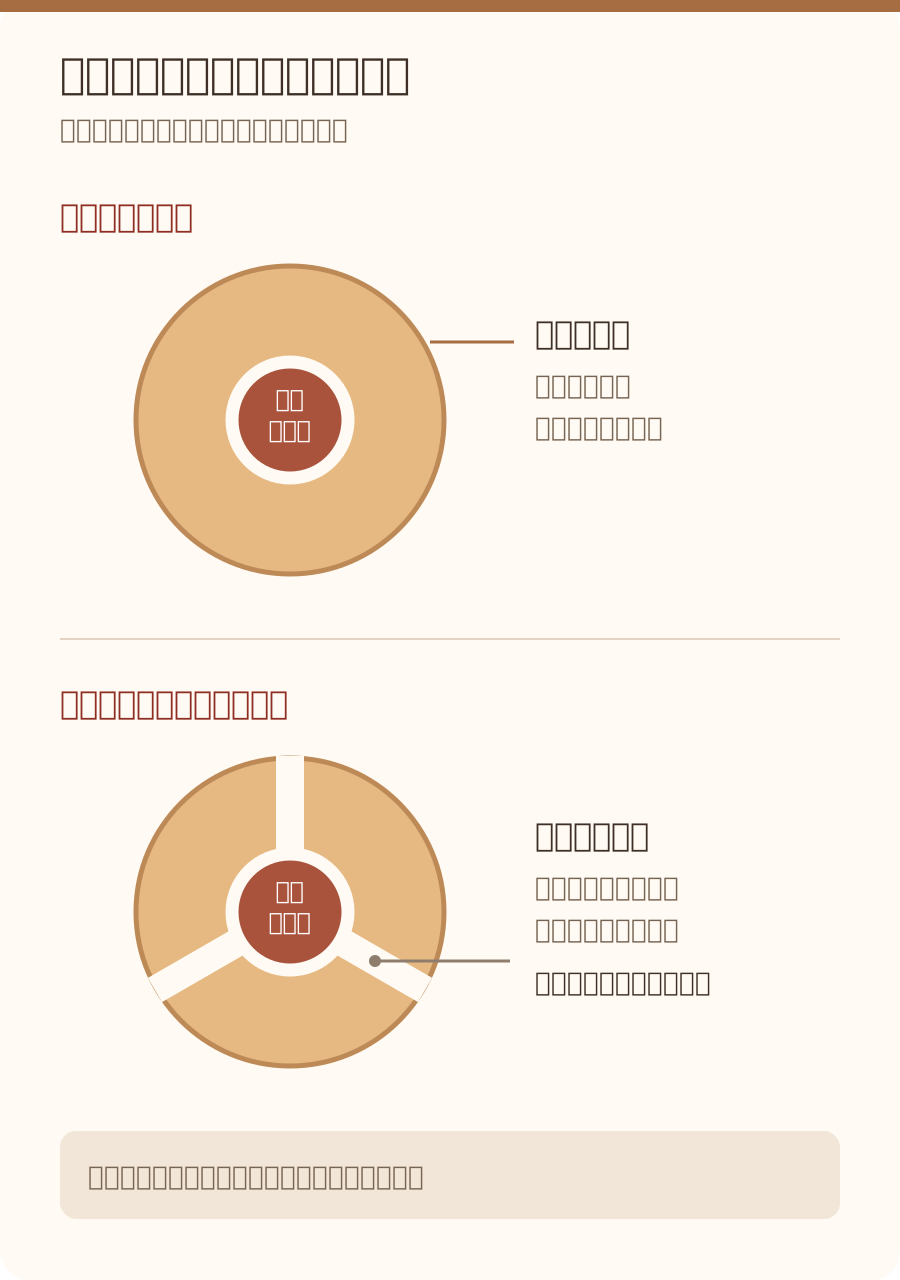
For the full design rationale, see why ZVVEN does not add secondary warming zones. This piece focuses on buying and value.
Scene 2: cold dishes need a pad, not a cool zone
Tables also hold salads, sashimi or dishes that should stay cool. An insulating pad is enough; a dedicated cool zone is not a must-have and often turns a simple need into a selling point. Extra cool-zone hardware spends limited panel space and structure without solving the main problem—keeping hot dishes hot.
Quotable rule: hot dishes on continuous warming; cold dishes on an insulating pad. Plating zones are placement, not a reason to buy multiple independent temperature-control modules.
Scene 3: more zones, larger fault surface; unified is simpler and tougher
More zones mean more controls and connection points—and a larger fault surface. Unified even heating keeps the structure simpler, with fewer everyday failure and maintenance points. ZVVEN keeps a clear split—central hotpot plus continuous outer warming—so complexity stays where it is useful, not where it only pads a feature list.
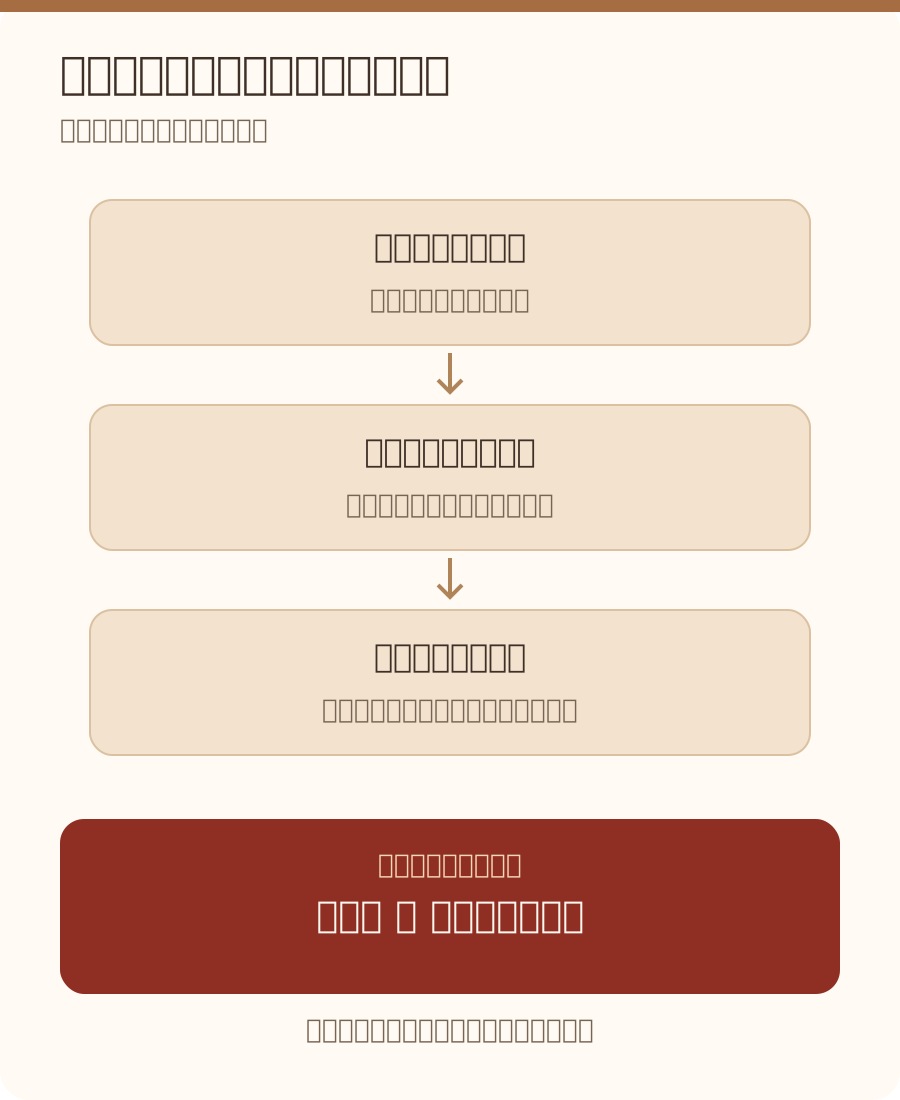
ZVVEN can stand behind a warranty this long because years of testing led to this stable, practical structure: unified even heating with fewer fault points. Fold the ten-year whole-unit warranty from the actual receipt date into long-term value—peace of mind for years of use. For after-sales paperwork, see the warranty request checklist.
How to judge value: usable warming area and durability, not zone count
Compare the area that can actually warm food, whether several hot dishes stay warm together, and whether the structure is simple and durable with trustworthy after-sales support—not how many zones are listed. Market “independent zone heating” is often a surface gimmick; a continuous unified warming area does real warming better—simpler, more durable, and a more practical high-value choice.
- Dry-fit your own dishes for continuous warming space (see the buying guide).
- Compare series looks and sizes (series comparison, product centre).
- Include the ten-year whole-unit warranty from the actual receipt date and the official service path in the long-term call.
One buying line: a continuous unified warming area does real warming better—simpler, more durable, and a more practical high-value choice—with a ten-year whole-unit warranty from the actual receipt date; do not let zone gimmicks sidetrack you.
FAQ
Is “independent zone heating” always better value?
Not necessarily. Effective warming area is already limited; gaps between zones shrink what can actually keep dishes warm. Judge usable area, durability and after-sales support—not zone count.
Do cold dishes require a dedicated cool zone?
No. An insulating pad is enough. A separate cool zone is not a must-have and is often a gimmick.
Does ZVVEN have no zones at all?
ZVVEN keeps a central hotpot zone and continuous outer warming. The outer field is continuous warming, not many independently controlled mini-zones.
How should non-heated dishes sit on a unified tray?
Use an insulating pad and follow the model guide to clear controls, connectors and ventilation. Plating guides describe placement order, not independent temperature hardware.
Sources: ZVVEN product-design and buying articles (including secondary-zone design rationale and the buying guide); prepared by Zhongshan Zhifan Technology Co., Ltd. Published / updated: 2026-11-04.